

Who We Are. Why We Stand.
ASVSS (Dr. Ambedkar Sheti Vikas Va Sanshodhan Sanstha) has been rooted in rural Maharashtra for over 37 years. Guided by Ambedkarite values, we work alongside drought-prone and flood-affected communities to secure land, strengthen livelihoods, and nurture leadership. Our mission is simple yet powerful — to ensure every marginalized child, woman, youth, and farmer can live with resilience and self-reliance.
Dr. Ambedkar Sheti Vikas Va Sanshodhan Sanstha (ASVSS) is a grassroots development organization with 39+ years of experience.Rooted in the values of equity, justice, and dignity, we create lasting change through sustainable livelihoods, women's empowerment, climate resilience, and community leadership.
Dr. Ambedkar Sheti Vikas Va Sanshodhan Sanstha (ASVSS) is a non-profit organization established in 1987 and registered under the Societies Registration Act, 1860 and the Bombay Public Trusts Act, 1950. For nearly four decades, ASVSS has been working with marginalized communities in the drought- and flood-prone regions of Maharashtra to promote equity, dignity, and sustainable development.
Founded by socially committed young graduates, ASVSS is rooted in the Constitutional values of equality, liberty, social justice, and human dignity. The organization empowers vulnerable communities through a rights-based and participatory approach, enabling them to improve their livelihoods, access entitlements, and build resilient futures.
ASVSS works primarily with small and marginal farmers, agricultural labourers, women, children, adolescents, and other socially and economically marginalized communities. Its key thematic areas include Land and Livelihood, Women’s Empowerment, Social Protection, Social Harmony, and Disaster Risk Reduction and Management.
Through community mobilization, capacity building, collaboration with government and civil society, ASVSS strengthens local leadership and promotes inclusive, resilient, and sustainable development. Over the years, the organization has positively impacted thousands of families by enabling them to realize their rights and live with dignity and self-reliance.
Our Story & Milestones
Founded in 1987 in Dongargaon, Sangola (Solapur), ASVSS began as a response to the harsh realities of drought, migration, and exclusion faced by Dalit farmers, women, children, and unorganized workers. What started as urgent relief soon grew into a long-term movement for justice, dignity, and resilience.
Milestones Through the Decades

01
Phase 1
Foundation and Social Mobilization (1987–1995)
Initiated social justice movements, established ASVSS, and strengthened the organization's foundation.
Launched the Samata Project, advocating for the rights of beneficiaries of the 90-acre allotted land.
Conducted studies on allotted land in Sangola Block, facilitated succession registration, and promoted land rights.
Organized farmers and strengthened community mobilization for equitable land access.
Phase 2
Land Rights, Livelihoods & Women's Empowerment (1996–2005)
Strengthened advocacy, networking, and campaigns for land rights, including Mahar Watan and Dalit land development.
Promoted women's leadership, economic empowerment, and the rights of marginalized communities.
Advocated for cattle fodder camps during droughts and supported climate-responsive rural livelihoods.
Improved land productivity through farmer groups and sustainable livelihood initiatives.
02
03
Phase 3
Rights-Based Development & Community Empowerment (2006–2015)
Implemented flood relief, Dalit land development, watershed development, collective farming, and promoted MGNREGA & natural farming.
Strengthened women's rights through campaigns against gender-based violence and community advocacy.
Launched youth development, paralegal programmes, and community leadership initiatives.
Improved access to education for migrant children while advancing child rights initiatives.
Phase 4
Disaster Resilience & Sustainable Development (2016–2022)
Expanded drought mitigation, disaster management, psychosocial care, and COVID-19 relief & rehabilitation.
Established Child Resource Centres and strengthened youth leadership and skill development.
Promoted nutrition gardens, collective goat rearing, and Social Protection Facilitation Centres for vulnerable communities.
Encouraged organic farming, seed conservation, and climate-resilient livelihoods.
04

05
Phase 3
Climate Resilience, Social Justice & Institutional Growth (2023–Present)
Strengthened disaster preparedness, response, recovery, rehabilitation, and climate-adaptive livelihood interventions.
Advanced advocacy for Mahar Watan land rights, livelihood security, and promoted collective farming among rural women.
Built Child Marriage-Free and Child Labour-Free communities while supporting VJNT and Holar communities through research, capacity building, and access to justice.
Expanded access to government social protection schemes and strengthened partnerships with national & international networks, including GuideStar, Start Network, and the Indian Humanitarian Hub.
Our Values
Principles that guide every step of our journey — rooted in justice, lived through community, and built for resilience.

ASVSS is guided by the egalitarian philosophy of Shahu Maharaj, Mahatma Jyotirao Phule, and Dr. B. R. Ambedkar. Our work is rooted in the core values of equality, fraternity, democracy, social justice, and social harmony. We are committed to upholding human dignity, promoting gender equality and women's empowerment, and protecting the environment and biodiversity. Through community participation, transparency, and accountability, we strive to empower marginalized communities and build an inclusive, equitable, resilient, and sustainable society where every individual can live with dignity, justice, and equal opportunities.
Our Approach
We tackle rural challenges with holistic solutions, ensuring land, livelihoods, dignity and leadership for all.
Land & Livelihoods
Watershed projects, orchards, and collective farming boost incomes and reduce migration.
Child Rights
Bal Panchayats and joyful learning ensure children’s voices are heard and education is protected.
Youth Leadership
Training in governance, budgets, and climate action prepares youth as local changemakers.
Women’s Empowerment
Campaigns, SHGs, and land rights initiatives place women at the heart of change.
Social Security Access
We connect people to pensions, MNREGA, housing, and e-Shram entitlements.
Disaster Preparedness
Relief kitchens, psychosocial care, and resilience committees strengthen communities in crisis.
Leadership & Team
Our strength lies in people who blend grassroots credibility with professional expertise
Board Members

Mr. Dryaneshwar Thokale (B.A, B.Ed.)
President
Retired teacher from Saraswati Vidhya Mandir Thokale and social activist

Mr. Prashant Kamble (DME, B.Sc.)
Vice President
Engineer in Private Sector and social activist.

Mr.Hanumant Jadhav (M.Sc, B.Ed.)
Secretary
Retired Assistant Manager from Bank of India and social activist.

Mrs. Anuradha Babar (M.B.A.)
Treasurer
Working in Private Bank

Mr.Ravsaheb Kamble(ssc)
Member
Retired in Irrigation Department

Mrs. Archana Howal
Member
Asha Sevika

Mrs. Bhavana Babar
Member
Social Activist
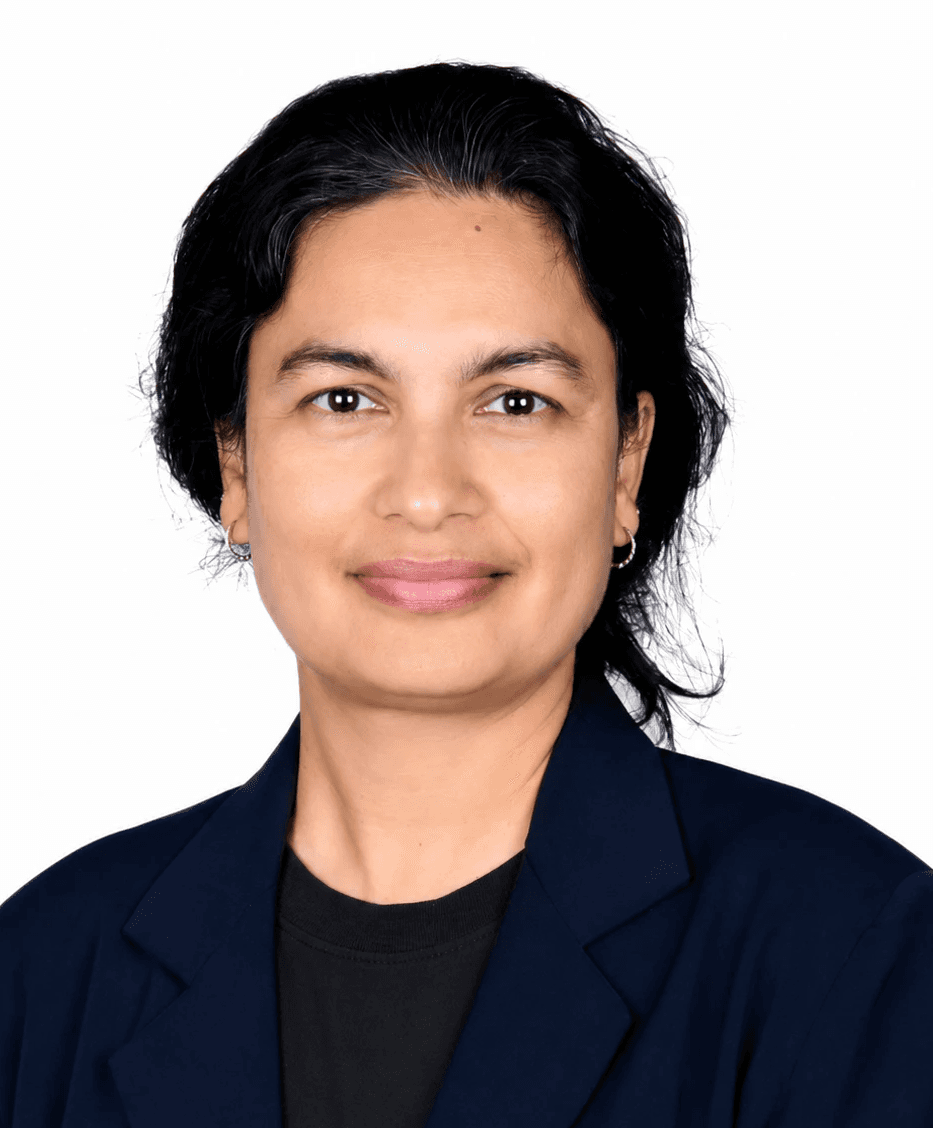
Dr Sujata Kodag
Member
Social Activist

Mr.Goutam Sartape
Member
retired in New India Assurance co Ltd

Mrs.Vaishali Kamble
Member
Job in Indian railway

Mr. Ravi Kamble
Member
High School Teacher.
Board Members
Mrs. Prabha Yadav (M.S.W.)
Project Director
Mr. Nandu More (B.A.B.Lib Sci & MSW)–
Constitutional Values Fellowship Program Coordinator
Mrs. Sharmila Kedar (MSW)
Mr. Anil Kamble (B.Com.)
HR & Admin Head
Mrs. Purnima Kate (M.A, B.Ed.)
Accountant
Mrs. Ravina Mane
Program Coordinator
Mr. Amol Kadam (M.S.W.)
District Coordinator, Kolhapur
Mr. Ananda Kamble
Community Organizer
Mr. Suresh Babar
( Agriculture Expert)
Mrs. Rajmati Kamble
District coordinator Sangali
Mrs. Priyanka Shedge
Community Organizer
Mrs. Sayali More
Community Organizer
